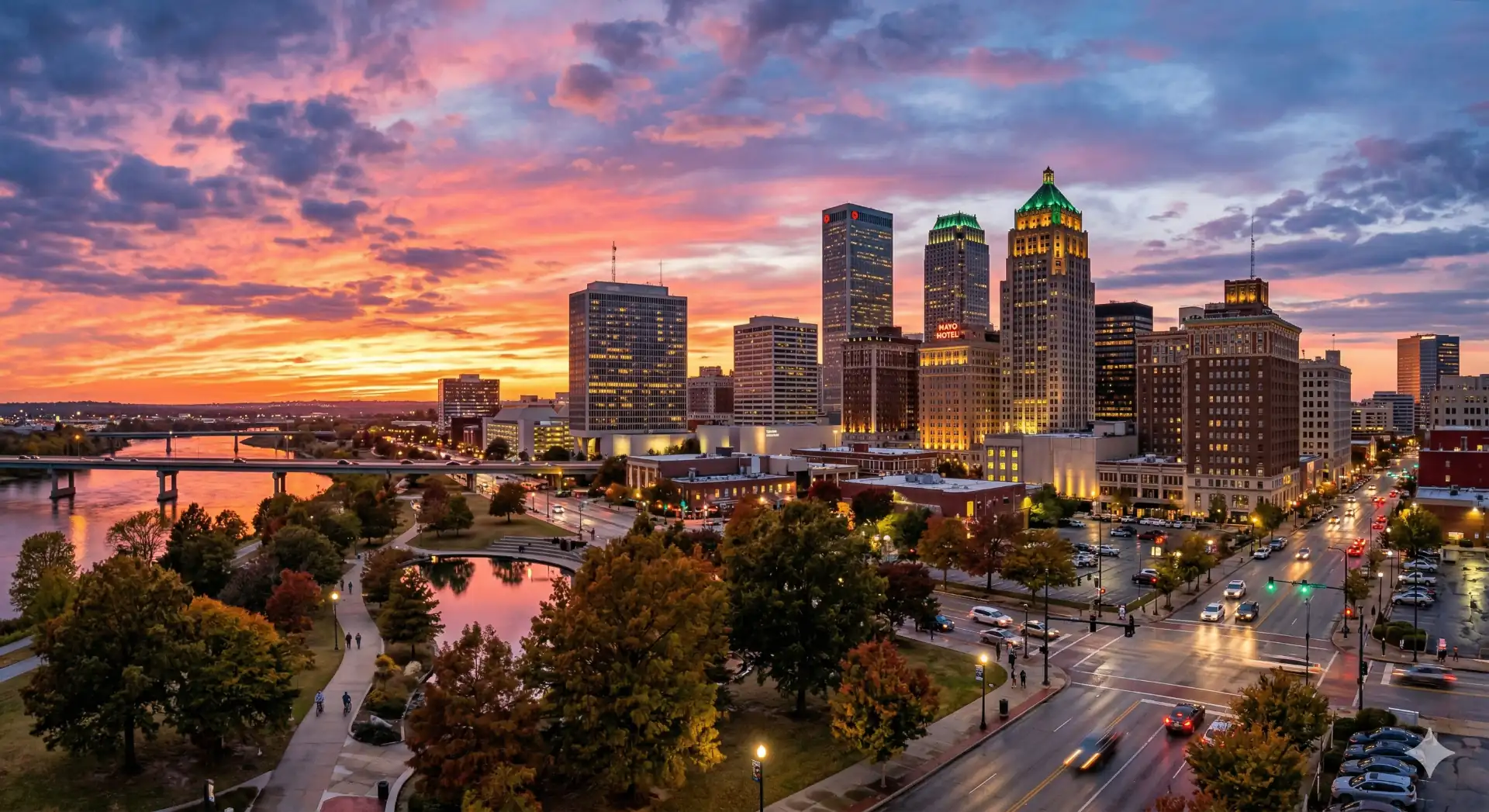
Mold Remediation in Tulsa, OK
Tulsa's humid summers and frequent flooding create ideal mold conditions. RapidShield connects you with certified Oklahoma mold remediation specialists immediately.
Free referral — a real person responds within minutes.
Why Tulsa's Climate Makes Mold a Year-Round Threat
Tulsa's combination of hot, humid summers and frequent flooding creates one of the most mold-favorable environments in the central United States. When temperatures exceed 80°F and humidity stays above 60% — conditions Tulsa experiences from May through September — mold can begin colonizing damp building materials within 24 to 48 hours. After any water event, the clock starts immediately.
Older housing stock in Midtown, North Tulsa, and Kendall-Whittier is particularly vulnerable. Many homes built before 1970 have inadequate vapor barriers, minimal crawl space ventilation, and building materials that absorb and retain moisture. When hail damage creates hidden roof leaks, water can penetrate the attic and spread through wall cavities for weeks or months before visible mold appears — turning a manageable remediation into a major project.
What RapidShield Does
RapidShield Restoration is not a mold remediation company. We are an emergency dispatch and referral service. We connect you — immediately and at no cost — with the highest-rated, IICRC-certified mold remediation professionals available in your area.
What the Process Looks Like
Professional Mold Assessment
Certified inspectors identify all visible and hidden mold, determine the moisture source, and assess the extent of contamination throughout your Tulsa home.
Containment
Affected areas are sealed with plastic sheeting and negative air pressure to prevent mold spores from spreading to unaffected parts of the home.
Remediation & Removal
IICRC-certified technicians remove mold-contaminated materials and treat all affected surfaces using professional antimicrobial solutions.
Drying & Prevention
Industrial dehumidification and the moisture source repair ensure conditions that caused the mold are eliminated to prevent recurrence.
Clearance Testing
Post-remediation air quality testing confirms mold levels have returned to normal, providing documentation for your records and insurance.
Common Types & Causes
Post-Flood Mold
Rapid mold growth after Arkansas River flooding, flash floods, or storm water intrusion in Tulsa homes.
Attic Mold
Hidden mold caused by undetected roof leaks from hail damage, spreading through insulation and roof decking.
Crawl Space Mold
Chronic mold in poorly ventilated crawl spaces common in older Tulsa neighborhoods built on moisture-retaining clay soil.
HVAC & Ductwork Mold
Mold colonizing ductwork, drain pans, and air handlers in Tulsa's long cooling season.
Wall Cavity Mold
Hidden mold behind drywall from slow plumbing leaks, condensation, or exterior water intrusion.
Bathroom & Kitchen Mold
Persistent mold from inadequate ventilation in high-moisture rooms, worsened by Tulsa's ambient humidity.
Local Risk Factors for Tulsa Homeowners
Post-Flood Mold in Arkansas River Neighborhoods
Riverside, West Tulsa, Red Fork, and Sand Springs corridor properties face elevated mold risk after any Arkansas River flooding event. The 2019 flood left many homes with persistent mold issues that continued emerging for months after the water receded.
Hidden Roof Leak Mold
Hail damage creates micro-fractures in roofing materials that allow slow, persistent water intrusion into attic spaces. In Tulsa's humid climate, attic mold can spread extensively before homeowners notice ceiling stains or musty odors.
Crawl Space Mold in Older Homes
Many Midtown and North Tulsa homes have poorly ventilated crawl spaces built on clay soil that retains moisture. These conditions create chronic mold environments that worsen during Tulsa's humid summer months.
HVAC-Related Mold
Tulsa's HVAC systems run 8+ months per year. Condensation drain line clogs, oversized units that short-cycle, and dirty ductwork create interior moisture conditions that fuel mold growth.
Insurance & Claims
Oklahoma homeowner's insurance typically covers mold remediation when it results from a covered peril — sudden pipe bursts, storm damage through compromised roofing, or appliance failures. Mold resulting from deferred maintenance, chronic moisture issues, or flood events (without separate flood insurance) is generally excluded. Documentation of the original water event and prompt reporting are critical for Oklahoma insurance claims involving mold. The certified remediation company we connect you with provides detailed documentation formatted for Oklahoma insurance requirements.
What Homeowners Say
"We found mold behind the walls three months after a hailstorm damaged our roof. RapidShield connected us with a certified remediation team in Tulsa that identified the hidden roof leak and handled the entire project. Our insurance covered everything."
Carol A.
Midtown Tulsa, OK
"After the Arkansas River flooding, mold started appearing in our crawl space and basement. RapidShield dispatched a team that completely remediated the problem and installed vapor barriers to prevent recurrence."
James B.
Riverside, Tulsa, OK
"Our HVAC system was spreading mold spores through the house. We could smell it but couldn't find it. RapidShield's partner identified the source in 30 minutes and had the remediation done in two days."
Linda W.
South Tulsa, OK
Frequently Asked Questions
Related Resources for Tulsa Homeowners
Related Tulsa Restoration Services
Need a different service? We connect homeowners with specialists for all restoration needs.
A Property Emergency in Tulsa Won't Wait — And Neither Should You.
Every minute counts. Call RapidShield now and we'll connect you with the right Tulsa professional — immediately.
Free referral — a real person responds within minutes.